The Function of Arts & & Crafts Architects in Elevating Architectural Services in Residential Design
Arts and Crafts architects greatly influence property style via their commitment to craftsmanship and sustainability. They focus on handcrafted information and all-natural products, which boost both aesthetic appeals and neighborhood identity. By involving clients in the design process, these architects develop special space that reverberate with individual preferences. This technique elevates questions concerning the future trajectory of domestic architecture and its prospective influence on community characteristics. craftsman style house. What exists in advance for this ageless layout philosophy?
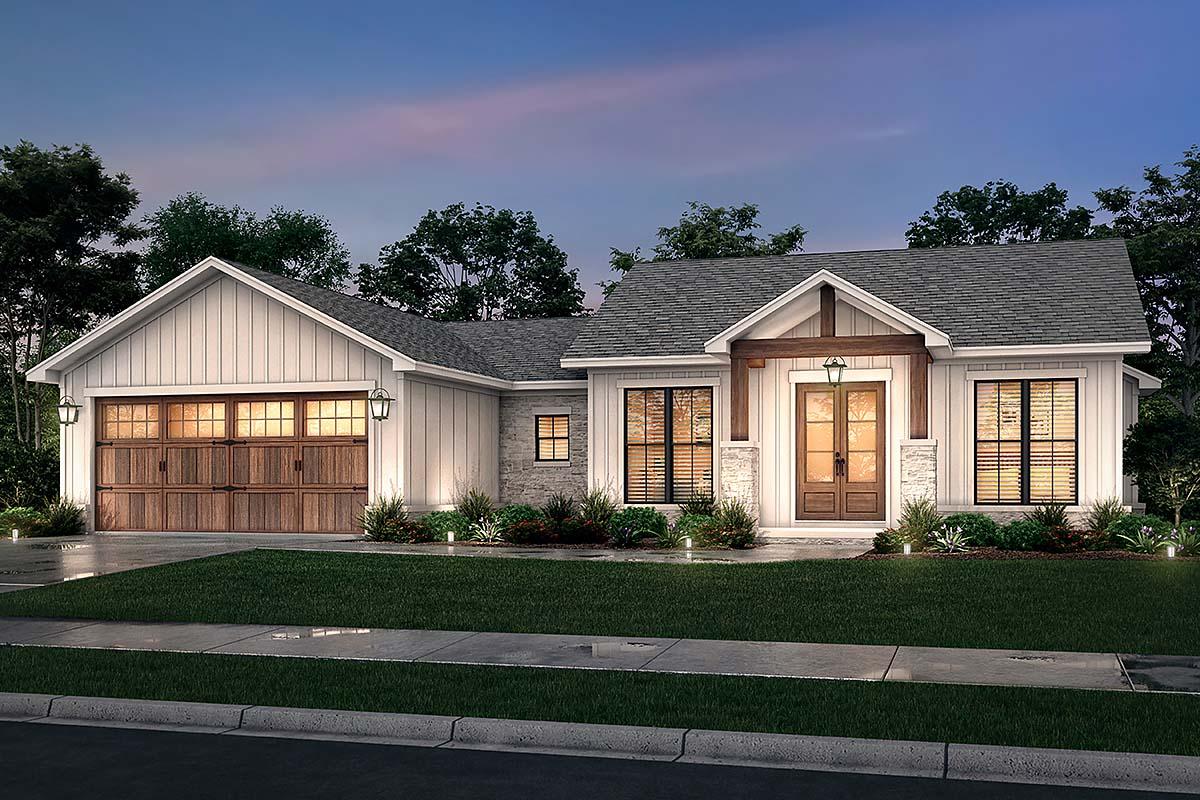
The Principles of Arts and Crafts Architecture
The significance of Arts and Crafts architecture copyrights on its dedication to craftsmanship and simpleness. This building motion emerged in the late 19th century as a feedback to automation, stressing the value of handmade details and all-natural products. The principles of Arts and Crafts architecture focus on capability and harmony with the setting. Structures commonly include low-pitched roof coverings, vast eaves, and subjected rafters, advertising a feeling of unity with nature.
Artisans played a significant duty in this style, usually incorporating attractive elements like discolored glass, ceramic tiles, and woodwork, which reflect neighborhood craftsmanship. The color combination tends to be earthy and controlled, permitting buildings to mix seamlessly right into their environments. In addition, the style motivates open floor strategies and communal spaces, fostering a sense of togetherness. Generally, the concepts of Arts and Crafts architecture commemorate the elegance of simplicity and the value of human link to both nature and area.
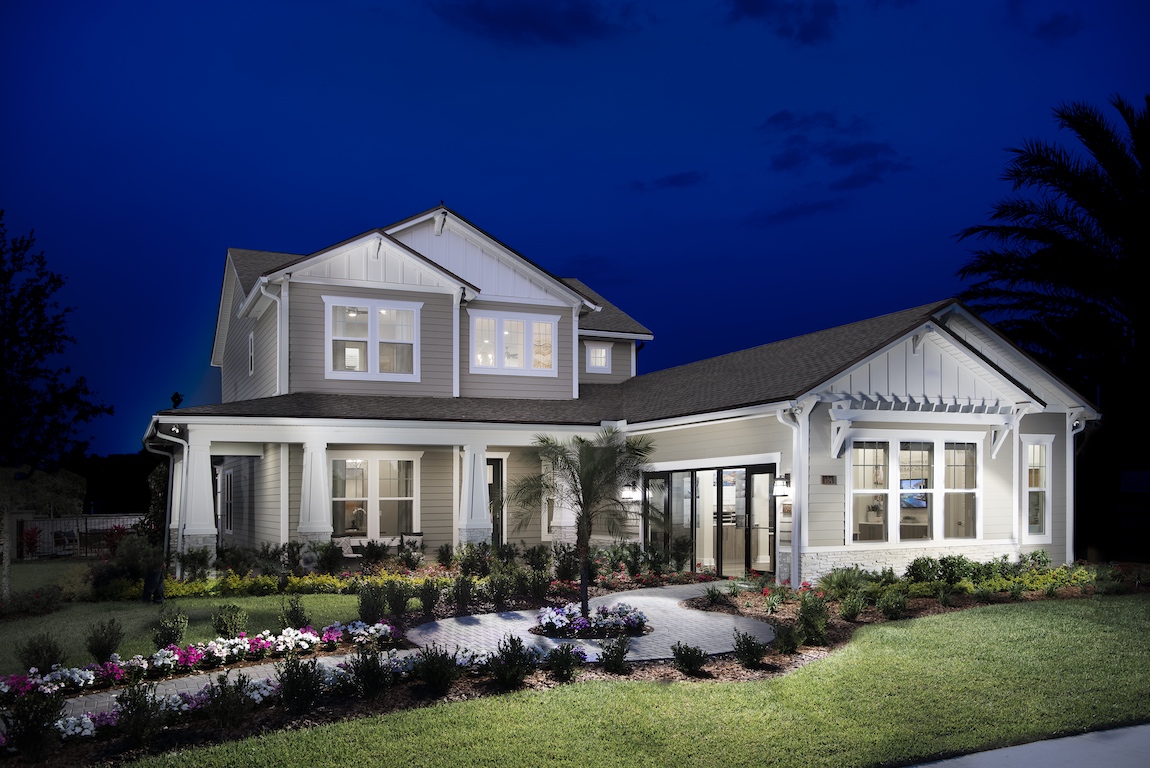
Lasting Practices in Residential Style
While the demand for eco responsible living continues to grow, sustainable practices in domestic layout have actually gained significant grip amongst architects and property owners alike. Architects are increasingly including energy-efficient modern technologies and lasting products into their designs, aiming to lower carbon footprints and improve energy conservation. Strategies such as passive solar layout, eco-friendly roofs, and rainwater harvesting systems are ending up being standard parts of modern-day residential architecture.
Moreover, the choice of locally sourced products lessens transportation emissions and sustains regional economic situations. Focus on all-natural light and air flow not just improves indoor air top quality however additionally minimizes reliance on artificial lighting and climate control systems. These sustainable methods reflect a commitment to maintaining the atmosphere while supplying property owners with comfortable, reliable home. As awareness of environmental concerns expands, the assimilation of sustainability in domestic design is positioned to end up being a specifying quality of contemporary architecture, guided by the principles developed by Arts and Crafts architects.
Personalization and Customization in Home Design
Personalization and personalization in home style have arised as vital fads in action to the growing need for unique living atmospheres that reflect individual tastes and way of lives. House owners progressively seek to customize rooms that reverberate with their individual identifications, bring about a much more significant link with their home. craftsman style house. This motion encourages architects to engage customers in the style process, cultivating partnership that guarantees the last result symbolizes the property owner's vision
Aspects such as bespoke layouts, custom-made materials, and tailored surfaces enable a diverse series of expressions in residential design. Arts and Crafts architects play a critical duty in this evolution, highlighting craftsmanship and top quality. Their focus on integrating imaginative elements with performance warranties that each home is not just visually pleasing but also distinctly suited to the occupants' demands. This emphasis on personalization enhances the total residential experience, creating rooms that are both personal and enduring.
The Effect of Arts and Crafts Architects on Community Looks
As communities progress, the impact of Arts and Crafts architects substantially shapes their aesthetic landscape. By highlighting handmade details, natural products, and typical building and construction methods, these architects produce homes that reverberate with their surroundings. Their layouts often include neighborhood vegetations, appearances, and colors, promoting a feeling of consistency between built atmospheres and nature.
Moreover, the Arts and Crafts motion promotes area identity through building connection. By motivating homeowners to take on similar style principles, neighborhoods establish a cohesive character that boosts visual charm. This building harmony not only enriches the aesthetic experience but also infuses a feeling of satisfaction among citizens.
Additionally, the emphasis on sustainability and workmanship in Arts and Crafts architecture lines up with contemporary values, making these styles pertinent in contemporary settings. Inevitably, Arts and Crafts architects add substantially to the total beauty and social honesty of neighborhoods, leaving a long lasting influence on their aesthetic legacy.

Future Fads in Arts and Crafts Architecture
With an increasing focus on sustainability and personalization, future patterns in Arts and Crafts architecture are poised to mix conventional workmanship with modern technology - craftsman style house. Architects are likely to prioritize environmentally friendly materials, Check Out Your URL making use of recovered wood and all-natural rock to improve the sustainability of household designs. The integration of smart home innovation will come learn the facts here now to be widespread, permitting individualized living experiences without endangering aesthetic stability
The resurgence of artisanal methods will foster a renewed gratitude for handcrafted components, such as bespoke cabinets and custom-made ceramic tile job. Future layouts might additionally mirror an emphasis on community-oriented rooms, encouraging communication and link amongst residents. Exterior living locations will get importance, effortlessly integrating nature into the home setting. As Arts and Crafts architecture advances, it will remain to recognize its origins while adjusting to contemporary needs, creating harmonious spaces that show specific values and lifestyles.
Regularly Asked Inquiries
What Inspired the Arts and Crafts Activity in Architecture?
The Arts and Crafts motion in architecture was motivated by a response versus automation, highlighting handcrafted quality, all-natural products, and a go back to traditional workmanship, intending to produce unified, useful areas that commemorated creativity and uniqueness.
Just how Do Arts and Crafts Architects Collaborate With Clients?
Arts and crafts architects collaborate with clients with open discussion, focusing on personal requirements and aesthetic appeals. They emphasize workmanship and sustainability, cultivating a collaboration that incorporates the customer's vision with the architect's know-how in style and products.
What Materials Are Frequently Utilized in Arts and Crafts Residences?
Common materials in Arts and Crafts homes consist of natural wood, stone, and brick, stressing workmanship and natural aesthetic appeals. These aspects produce a warm, inviting atmosphere, reflecting the movement's devotion to quality and simpleness in style.
Just how Do Arts and Crafts Styles Boost Indoor Living Rooms?
Arts and Crafts designs improve interior space by advertising all-natural light, open flooring plans, and handcrafted details. These aspects cultivate a warm, inviting atmosphere, encouraging a connection in between homeowners and their settings through thoughtful, functional visual appeals.
What Are Some Famous Instances of Arts and Crafts Architecture?
Famous examples of Arts and Crafts architecture consist of the Wager Home, Greene and why not check here Greene's masterpiece in California, and the Robie Home by Frank Lloyd Wright. These structures showcase handcrafted details and harmony with nature, specifying the activity's significance.